

Installing a PTFE Marked Multi Lumens Reducer Tube is a task that requires precision and a good understanding of the tube's properties and the installation environment. As a supplier of PTFE Marked Multi Lumens Reducer Tube, I have witnessed firsthand the importance of a proper installation process. In this blog post, I will guide you through the steps of installing this specialized tube, ensuring that you achieve a successful and reliable installation.
Understanding the PTFE Marked Multi Lumens Reducer Tube
Before diving into the installation process, it is crucial to understand the unique features of the PTFE Marked Multi Lumens Reducer Tube. PTFE, or polytetrafluoroethylene, is a synthetic fluoropolymer known for its excellent chemical resistance, low friction coefficient, and high temperature resistance. These properties make PTFE an ideal material for medical applications, where the tube needs to withstand harsh chemicals and maintain a smooth surface for the flow of fluids.
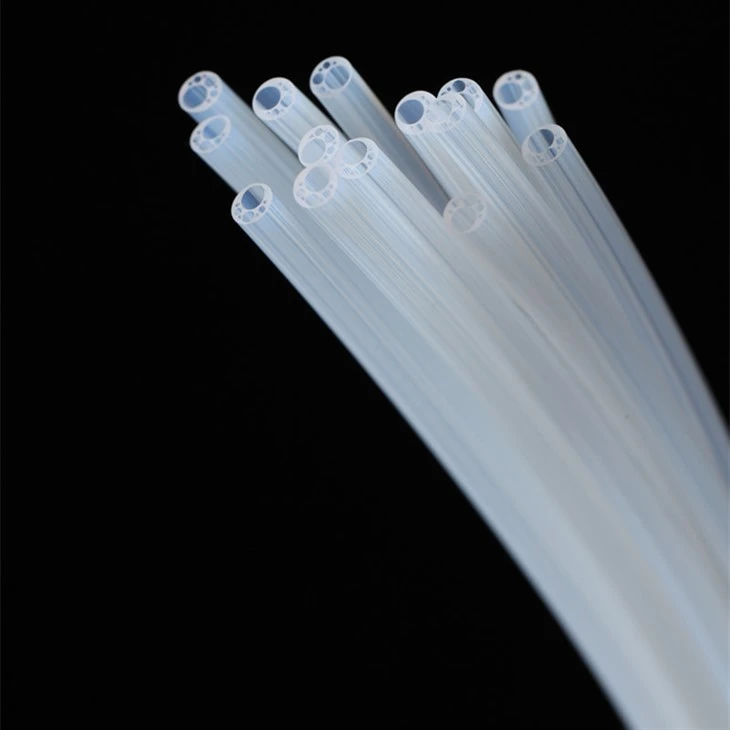
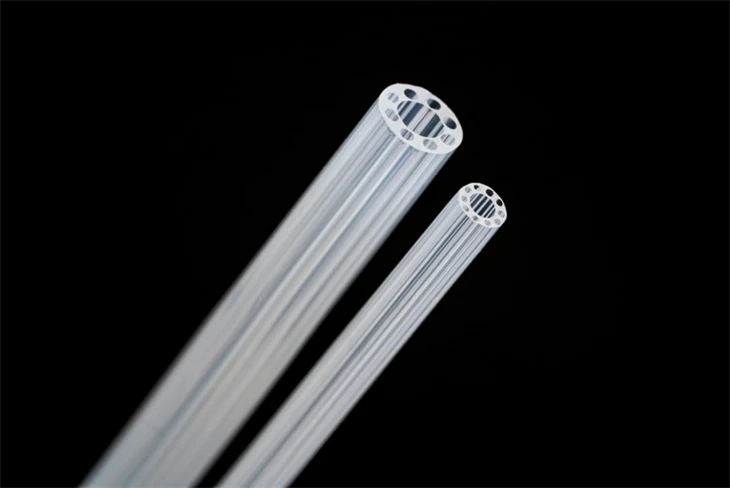
The multi-lumens design of the tube allows for the simultaneous passage of multiple fluids or substances. The reducer feature, on the other hand, enables the tube to connect two different sizes of lumens, providing a seamless transition between different components of a medical device. The markings on the tube are used for identification purposes, making it easier to distinguish between different lumens and ensuring accurate placement during installation.
Pre-Installation Preparations
- Gather the Necessary Tools:
- You will need a clean work area, a pair of sharp scissors or a tube cutter, a deburring tool, and any connectors or fittings required for the installation.
- Ensure that all tools are clean and free from debris to prevent contamination of the tube.
- Inspect the Tube:
- Carefully examine the PTFE Marked Multi Lumens Reducer Tube for any signs of damage, such as cuts, kinks, or deformities.
- Check the markings on the tube to ensure they are clear and legible.
- Measure and Cut the Tube:
- Determine the required length of the tube based on the installation requirements.
- Use a sharp scissors or a tube cutter to make a clean, straight cut. Avoid crushing or deforming the tube during the cutting process.
- After cutting, use a deburring tool to remove any rough edges or burrs from the cut end of the tube.
Installation Steps
- Prepare the Connectors or Fittings:
- If you are using connectors or fittings, ensure they are compatible with the PTFE Marked Multi Lumens Reducer Tube.
- Clean the connectors or fittings thoroughly to remove any dirt or debris.
- Apply a small amount of lubricant, such as silicone oil, to the inside of the connectors or fittings to facilitate the insertion of the tube.
- Insert the Tube into the Connector or Fitting:
- Gently insert the cut end of the tube into the connector or fitting, ensuring that it is fully seated.
- Use a twisting motion if necessary to help the tube slide into place.
- Be careful not to over-insert the tube, as this can cause damage to the tube or the connector.
- Secure the Connection:
- Depending on the type of connector or fitting, you may need to use a clamp, a compression nut, or other fastening methods to secure the connection.
- Follow the manufacturer's instructions for the specific connector or fitting to ensure a proper and secure connection.
- Check the connection for any signs of leakage or looseness.
- Route the Tube:
- Once the tube is connected to the connector or fitting, carefully route it through the medical device, following the designated path.
- Avoid sharp bends or kinks in the tube, as this can restrict the flow of fluids and cause damage to the tube.
- Use cable ties or other fastening methods to secure the tube in place and prevent it from moving or shifting during use.
- Test the Installation:
- After routing the tube, perform a leak test to ensure that the installation is secure and free from leaks.
- Apply a small amount of pressure to the tube and check for any signs of leakage at the connections or along the length of the tube.
- If any leaks are detected, carefully inspect the connections and make any necessary adjustments or repairs.
Tips for a Successful Installation
- Work in a Clean Environment: To prevent contamination of the tube, it is essential to work in a clean and dust-free environment. Wear gloves and use clean tools to handle the tube.
- Follow the Manufacturer's Instructions: Always refer to the manufacturer's instructions for the specific PTFE Marked Multi Lumens Reducer Tube and the connectors or fittings you are using. This will ensure that you are following the correct installation procedures and using the appropriate tools and materials.
- Take Your Time: Installing a PTFE Marked Multi Lumens Reducer Tube requires patience and precision. Take your time to ensure that each step is performed correctly and that the tube is installed securely.
- Seek Professional Help if Needed: If you are unsure about any aspect of the installation process, or if you encounter any difficulties, it is recommended to seek professional help. A qualified technician or installer can provide guidance and assistance to ensure a successful installation.
Conclusion
Installing a PTFE Marked Multi Lumens Reducer Tube is a complex but achievable task. By following the steps outlined in this blog post and taking the necessary precautions, you can ensure a successful and reliable installation. As a supplier of PTFE Marked Multi Lumens Reducer Tube and Medical Custom PTFE Multi-Lumens Tube, we are committed to providing high-quality products and excellent customer service. If you have any questions or need further assistance with the installation process, please do not hesitate to contact us. We look forward to working with you and helping you meet your medical tubing needs.
References
- "PTFE Materials Handbook," Edited by P. R. Resnick, William Andrew Publishing, 2000.
- "Medical Tubing Handbook," Edited by Mark Miller, 2014.