

As a supplier of Medical Etched PTFE Multi-Lumen Tubing, I've encountered numerous inquiries regarding the flexibility of this unique product. Flexibility is a crucial factor in medical applications, as it directly impacts the ease of use, patient comfort, and the overall functionality of medical devices. In this blog post, I'll delve into the topic of whether medical etched PTFE multi - lumen tubing is flexible, exploring the material properties, manufacturing processes, and factors that influence its flexibility.
Understanding PTFE and Its Unique Properties
Polytetrafluoroethylene (PTFE), commonly known as Teflon, is a synthetic fluoropolymer with exceptional chemical resistance, low friction coefficient, and high thermal stability. These properties make PTFE an ideal material for a wide range of medical applications, including catheters, guide wires, and tubing. PTFE is also biocompatible, which means it does not cause an adverse reaction when in contact with living tissue, making it suitable for use in medical devices that are inserted into the body.
However, one of the challenges with using PTFE in medical applications is its relatively high stiffness compared to other polymers. This stiffness can make it difficult to navigate through tortuous anatomical pathways, such as blood vessels or the digestive tract. To overcome this limitation, manufacturers have developed a process called etching, which modifies the surface of the PTFE tubing to improve its flexibility and adhesion to other materials.
The Etching Process and Its Impact on Flexibility
Etching is a chemical process that involves treating the surface of the PTFE tubing with a reactive agent to remove a thin layer of the polymer. This process creates a roughened surface with increased surface area, which improves the adhesion of the tubing to other materials, such as adhesives or coatings. Additionally, the etching process can also reduce the stiffness of the PTFE tubing, making it more flexible and easier to manipulate.
The degree of flexibility achieved through etching depends on several factors, including the type of etching agent used, the concentration of the etching solution, the duration of the etching process, and the thickness of the PTFE tubing. In general, a more aggressive etching process will result in a more flexible tubing, but it may also compromise the integrity of the PTFE material and reduce its mechanical properties. Therefore, it's essential to carefully control the etching process to achieve the desired balance between flexibility and mechanical strength.
Factors Influencing the Flexibility of Medical Etched PTFE Multi - Lumen Tubing
In addition to the etching process, several other factors can influence the flexibility of medical etched PTFE multi - lumen tubing. These factors include:
Wall Thickness
The wall thickness of the tubing is one of the most significant factors affecting its flexibility. Thinner walls generally result in greater flexibility, as there is less material to resist bending. However, it's important to note that reducing the wall thickness too much can also compromise the mechanical strength of the tubing, making it more prone to kinking or tearing.
Number of Lumens
The number of lumens in the tubing can also affect its flexibility. As the number of lumens increases, the overall cross-sectional area of the tubing also increases, which can make it stiffer and less flexible. Therefore, it's important to carefully consider the number of lumens required for the specific medical application and balance it with the desired level of flexibility.
Inner and Outer Diameter
The inner and outer diameter of the tubing can also influence its flexibility. Tubing with a smaller outer diameter and a larger inner diameter will generally be more flexible than tubing with a larger outer diameter and a smaller inner diameter. This is because the smaller outer diameter reduces the amount of material that needs to be bent, while the larger inner diameter allows for more freedom of movement within the tubing.
Coating and Adhesives
The type of coating and adhesives used on the tubing can also affect its flexibility. Some coatings and adhesives can add stiffness to the tubing, while others can improve its flexibility. Therefore, it's important to choose the right coating and adhesives for the specific medical application and ensure that they are compatible with the PTFE material.

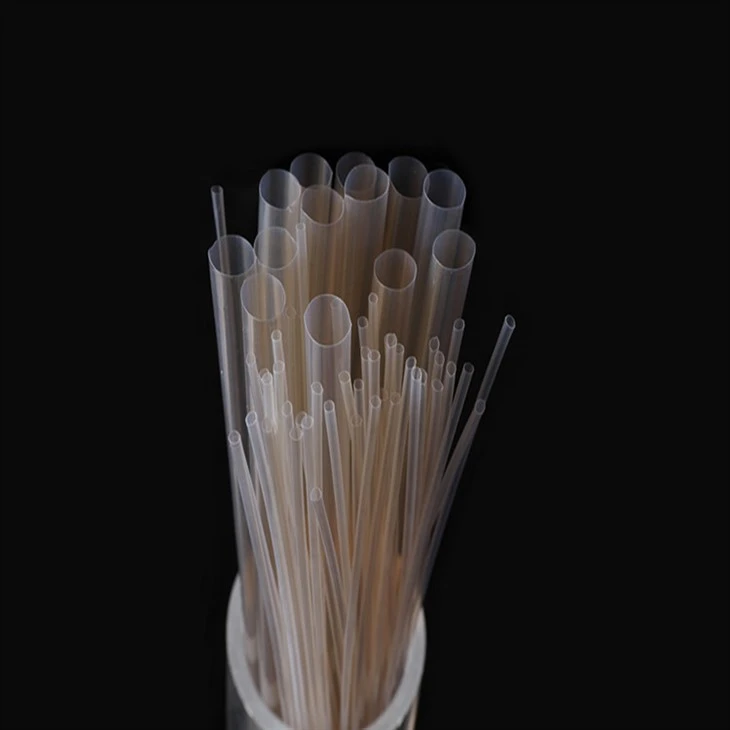
Benefits of Flexible Medical Etched PTFE Multi - Lumen Tubing
Flexible medical etched PTFE multi - lumen tubing offers several benefits in medical applications. These benefits include:
Improved Patient Comfort
Flexible tubing is more comfortable for patients, as it can navigate through tortuous anatomical pathways with less resistance and trauma. This can reduce the risk of pain, bruising, and other complications associated with the insertion of medical devices.
Enhanced Device Functionality
Flexible tubing can also improve the functionality of medical devices, as it allows for greater maneuverability and control. This can be particularly important in minimally invasive procedures, where the ability to navigate through small and complex anatomical structures is critical.
Reduced Risk of Complications
Flexible tubing is less likely to kink or tear during use, which can reduce the risk of complications such as blockages, leaks, and infections. This can improve the safety and effectiveness of medical devices and reduce the need for additional procedures or interventions.
Applications of Medical Etched PTFE Multi - Lumen Tubing
Medical etched PTFE multi - lumen tubing is used in a wide range of medical applications, including:
Catheters
Catheters are thin, flexible tubes that are inserted into the body to deliver fluids, medications, or other substances. Medical etched PTFE multi - lumen tubing is commonly used in catheters due to its flexibility, chemical resistance, and biocompatibility.
Guide Wires
Guide wires are thin, flexible wires that are used to guide catheters and other medical devices through the body. Medical etched PTFE multi - lumen tubing can be used as a coating or liner for guide wires to improve their flexibility and reduce friction.
Endoscopes
Endoscopes are medical devices that are used to visualize the inside of the body. Medical etched PTFE multi - lumen tubing can be used in endoscopes to deliver fluids, medications, or other substances, as well as to provide a pathway for the insertion of other medical devices.
Dialysis Tubing
Dialysis tubing is used in dialysis machines to remove waste products and excess fluids from the blood. Medical etched PTFE multi - lumen tubing can be used in dialysis tubing due to its flexibility, chemical resistance, and biocompatibility.
Conclusion
In conclusion, medical etched PTFE multi - lumen tubing can be highly flexible, depending on several factors, including the etching process, wall thickness, number of lumens, inner and outer diameter, and coating and adhesives. Flexible tubing offers several benefits in medical applications, including improved patient comfort, enhanced device functionality, and reduced risk of complications. Therefore, it's important to carefully consider the flexibility requirements of the specific medical application when choosing medical etched PTFE multi - lumen tubing.
If you're interested in learning more about our Medical Etched PTFE Multi-Lumen Tubing or our Etched Ultra Thin Wall PTFE Liner Catheter, please feel free to contact us to discuss your specific requirements. We're committed to providing high-quality products and excellent customer service, and we look forward to the opportunity to work with you.
References
- Adamson, A. W., & Gast, A. P. (1997). Physical chemistry of surfaces. Wiley.
- Bird, R. B., Stewart, W. E., & Lightfoot, E. N. (2007). Transport phenomena. Wiley.
- Callister, W. D., & Rethwisch, D. G. (2010). Materials science and engineering: An introduction. Wiley.