

Hey there! As a supplier of industry PTFE products, I've been in the thick of it for quite a while, and I know how crucial it is to understand the quality standards for these products. In this blog, I'll break down what makes a top - notch PTFE product and why it matters.
What is PTFE?
First off, let's quickly go over what PTFE is. PTFE, or polytetrafluoroethylene, is a synthetic fluoropolymer. It's well - known for its non - stick properties, high chemical resistance, and excellent electrical insulation. You can find PTFE in a wide range of industries, from automotive to electronics and even in the food industry.
Physical Properties
Density
One of the key quality standards for PTFE products is density. A proper density ensures the structural integrity of the product. For instance, in PTFE sheets, a consistent density throughout the material means it'll have uniform strength and performance. If the density is too low, the product might be weak and prone to damage. On the other hand, an overly high density could make the product brittle.
Hardness
Hardness is another important factor. Depending on the application, you'll need different levels of hardness. In PTFE seals, for example, a certain level of hardness is required to ensure a proper fit and prevent leakage. We use standardized hardness tests to measure this, and our products are carefully calibrated to meet the specific hardness requirements of different industries.
Chemical Resistance
PTFE is famous for its outstanding chemical resistance. It can withstand a wide variety of chemicals, including acids, bases, and solvents. When we test our PTFE products, we expose them to different chemical environments to make sure they don't degrade or react. This is crucial, especially in industries where the products come into contact with harsh chemicals on a regular basis. For example, in chemical processing plants, PTFE pipes and fittings need to be able to handle corrosive substances without breaking down.
Thermal Stability
Temperature Range
PTFE has a wide temperature range in which it can perform effectively. It can handle extremely low temperatures, down to - 200°C, and high temperatures up to 260°C. This makes it suitable for applications in both cryogenic and high - temperature environments. When we produce PTFE products, we test them within this temperature range to ensure they maintain their physical and chemical properties.
Thermal Expansion
Thermal expansion is also an important consideration. PTFE has a relatively low coefficient of thermal expansion, which means it doesn't expand or contract significantly with temperature changes. This is important in applications where dimensional stability is crucial, such as in precision machinery.
Electrical Properties
Insulation
PTFE is an excellent electrical insulator. It has a high dielectric strength, which means it can withstand high voltages without conducting electricity. This property makes it ideal for use in electrical and electronic applications, such as wiring insulation and circuit boards. We test the electrical insulation properties of our PTFE products to ensure they meet the industry standards.
Dielectric Constant
The dielectric constant of PTFE is also important. It affects the performance of the product in electrical applications. A stable dielectric constant ensures consistent electrical performance over time.
Surface Finish
Smoothness
A smooth surface finish is often required for PTFE products. In applications like bearings or seals, a smooth surface reduces friction and wear. We use advanced manufacturing techniques to achieve a high - quality surface finish on our products.
Non - Stickiness
The non - stick property of PTFE is one of its most well - known features. A good PTFE product should have a reliable non - stick surface. This is important in the food industry, where PTFE - coated cookware needs to prevent food from sticking, and in industrial applications where materials need to slide easily over PTFE surfaces.
Our Product Range
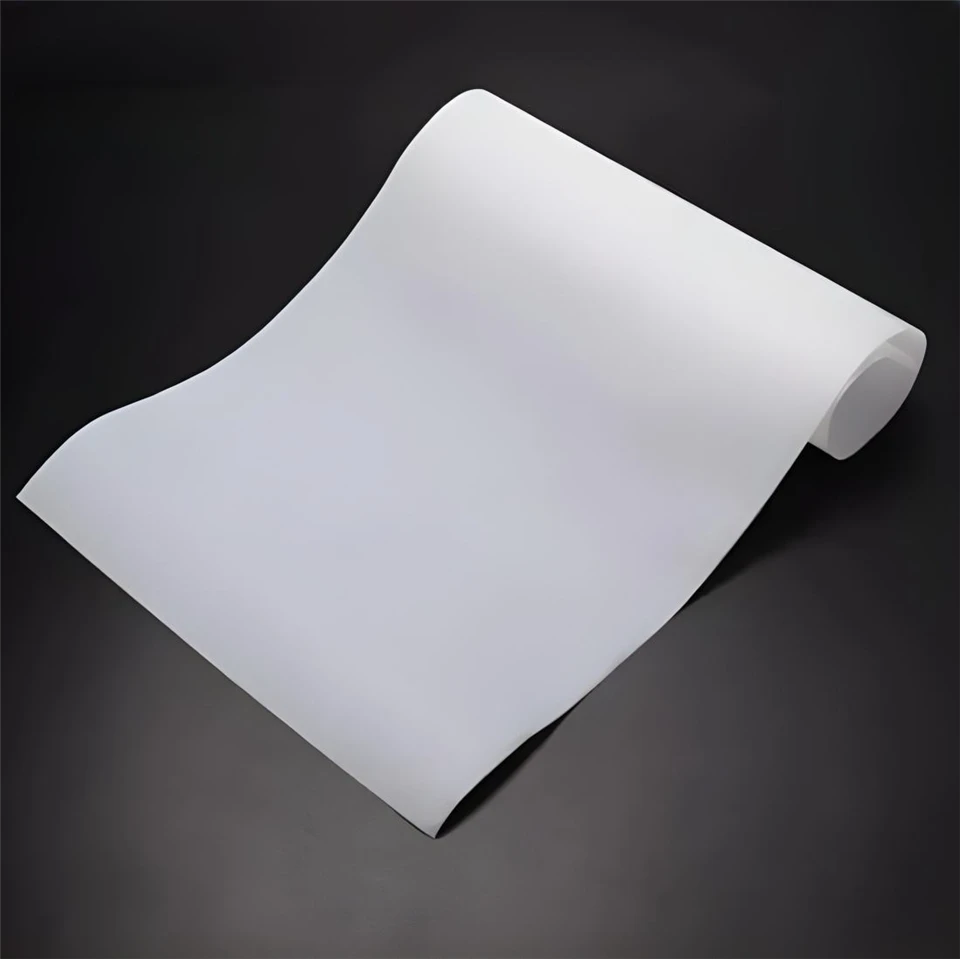
We offer a wide range of PTFE products, each designed to meet the highest quality standards. For example, our Thin Wall PTFE Teflon Heat Shrink Tubing is perfect for applications where you need a flexible and heat - resistant tubing. It has excellent electrical insulation properties and a smooth surface finish.
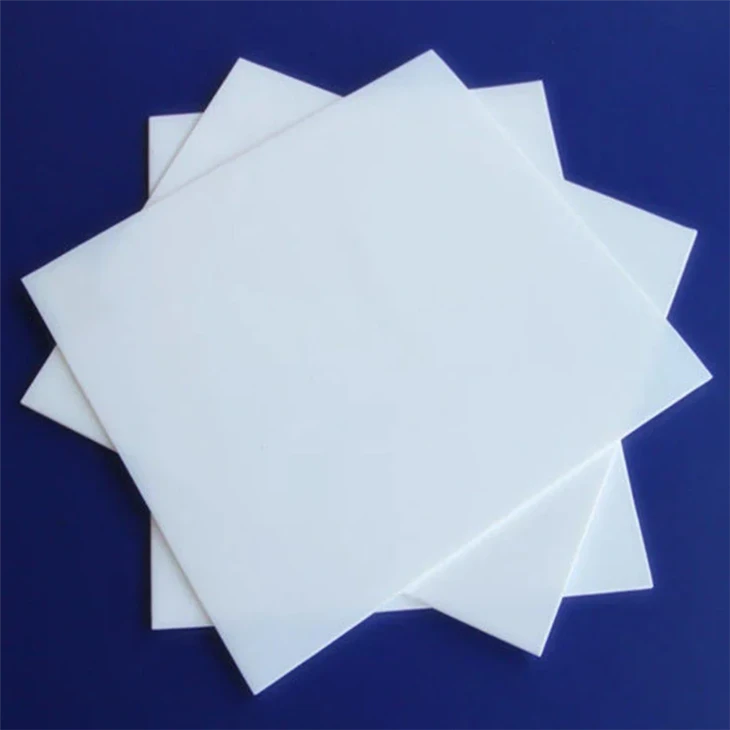
Our Natual White PTFE Sheet 2mm Thickness 600mm*600mm is a popular choice for various industrial applications. It has a consistent density and high chemical resistance, making it suitable for use in chemical processing and other harsh environments.
And our Cutting Length Sqare 1/4 Pure White PTFE Sheet is great for custom - made parts. You can cut it to the exact size you need, and it maintains all the excellent properties of PTFE.
Why Quality Matters
When you're using PTFE products in your industry, quality is not something you can compromise on. High - quality PTFE products ensure the safety and efficiency of your operations. They last longer, perform better, and reduce the risk of costly breakdowns. For example, using a low - quality PTFE seal in a chemical processing plant could lead to leaks, which can be dangerous and expensive to fix.
How We Ensure Quality
We have a strict quality control process in place. From the raw materials we source to the final product, every step is carefully monitored. We use state - of - the - art testing equipment to check the physical, chemical, and electrical properties of our products. Our team of experts is constantly working to improve our manufacturing processes and ensure that our products meet or exceed the industry standards.
Contact Us for Your PTFE Needs
If you're in the market for high - quality industry PTFE products, we'd love to hear from you. Whether you need a specific product or have a custom requirement, we can help. Our team of experts can provide you with all the information you need and assist you in choosing the right PTFE products for your application. Just reach out to us, and let's start a conversation about how we can meet your PTFE needs.
References
- "Handbook of Fluoropolymer Science and Technology"
- "PTFE: Properties and Applications in Industry"