

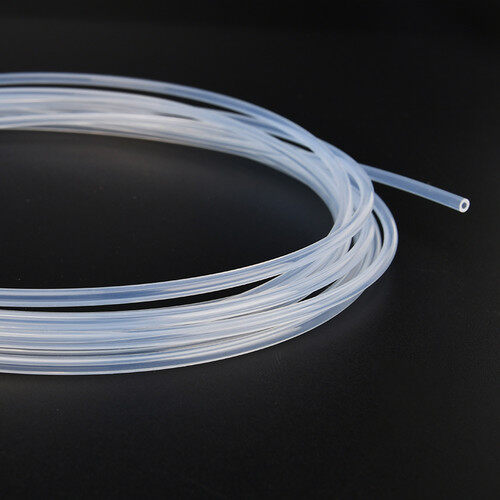
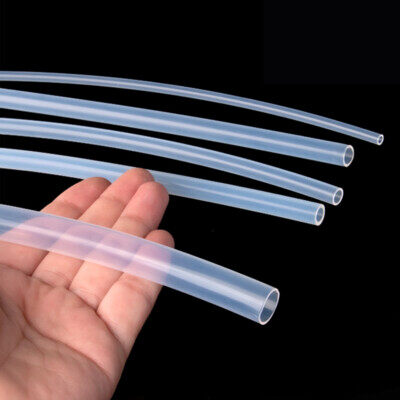
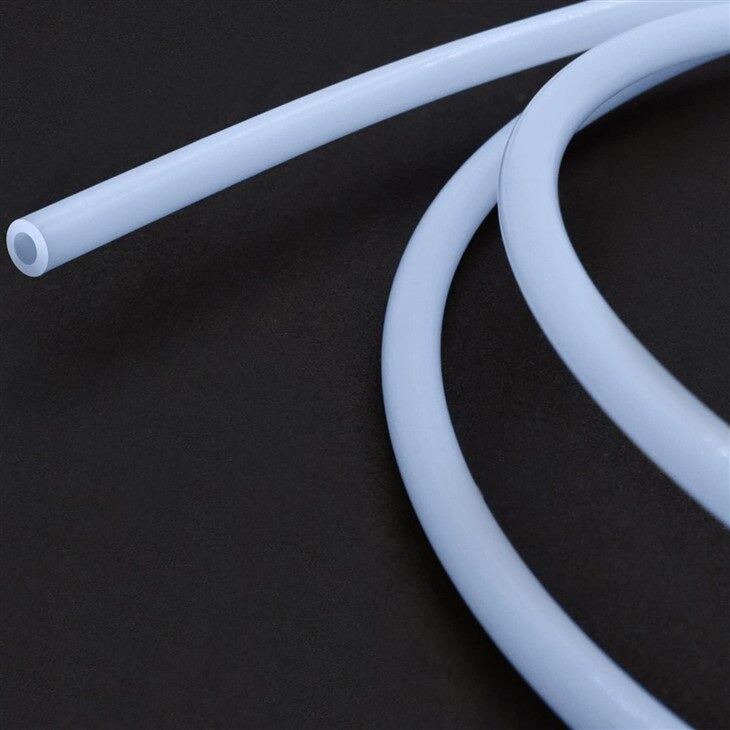
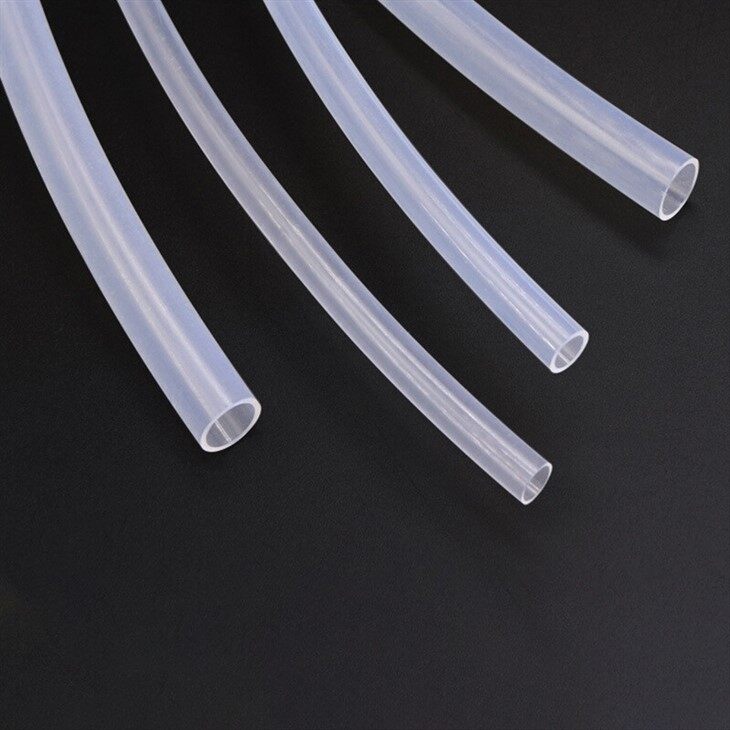
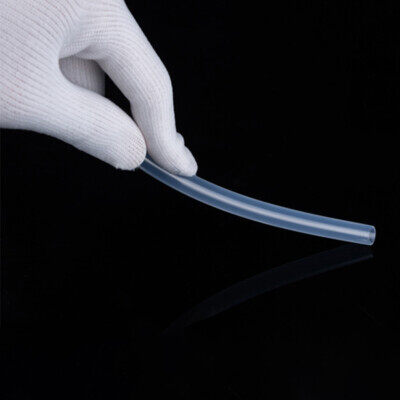
Thin-wall PTFE Tubing Designed for Medical Device Liner Applications
PTFE thin-walled liner tubing is manufactured through precision extrusion using medical-grade PTFE resin.
With its low friction coefficient, chemical resistance, and smooth inner surface, PTFE tubing is commonly used as a liner component in minimally invasive medical devices where smooth instrument movement and reliable performance are required.
Besides catheter liner applications, this type of thin-wall PTFE tube can also be used in medical retrieval devices, including stone retrieval baskets, snares, and other endoscopic intervention systems.

Product Features
Smooth Internal Surface & Controlled Wall Thickness
Designed to minimize friction during device movement.Suitable for medical device manufacturers requiring tight.
Excellent Chemical Resistance
Compatible with many fluids and chemicals encountered during device processing.
Flexible Material Characteristics
Allows integration into curved and minimally invasive instrument designs.
Manufacturing process

PTFE Resin Preparation
Medical-grade PTFE resin is selected according to customer requirements.

Compression and Extrusion Forming
The PTFE material is processed through precision extrusion equipment to form thin-wall tubing.

Straightening-by-roasting process
Controlled high-temperature straightening enhances the material's integrity and dimensional stability.

Inspection and Quality Control
Key inspection items include:
OD/ID,Wall thickness,Surface appearance,Length accuracy
Concentricity
Product Advantages
Reduced Catheter Profile
The thin-wall structure allows manufacturers to design smaller and more flexible catheter systems.
Smooth Device Movement
The low friction surface of PTFE helps support smooth guidewire advancement and fluid delivery.
Excellent Chemical Resistance
PTFE maintains stable performance when exposed to various fluids, chemicals and sterilization processes.
Customized Manufacturing
Tube dimensions, wall thickness, length and surface treatment can be customized based on customer drawings.
Why PTFE is Selected for Medical Device Liners

Smooth Inner Surface for Easier Device Movement
The smooth PTFE inner surface helps reduce resistance when guidewires, baskets, snares, or other components move through the liner.
Thin Wall Design for Space-Limited Devices
Medical devices often require small outer diameters while maintaining sufficient internal space.
PTFE thin-wall tubing allows manufacturers to design compact devices while maintaining:
Smooth internal passage
Consistent wall thickness
Stable dimensions
Chemical and Temperature Resistance
PTFE provides excellent resistance against many chemicals and can withstand repeated exposure to common sterilization processes.
Product Applications
Catheter Systems
• Catheter liner
• Guide catheter components
• Delivery catheter systems
• Introducer components
Endoscopic Retrieval Devices
• Stone retrieval basket systems
• Biliary retrieval devices
• Foreign body retrieval devices
• Snare loop delivery systems
Interventional Instruments
• Guidewire support components
• Push catheter systems
• Minimally invasive delivery devices
FAQ
Q: What is PTFE thin-wall liner tubing used for?
A: PTFE thin-wall liner tubing is commonly used as an internal liner component in medical devices such as catheter systems, retrieval devices, and minimally invasive instruments.
Q: Can PTFE tubing be used for stone retrieval basket devices?
A: Yes. PTFE thin-wall tubing can be used as a liner or guide component in stone retrieval basket systems because of its smooth surface and low friction characteristics.
Q: Can this PTFE tube be used in snare devices?
A: PTFE liner tubing can be considered for snare delivery systems where low friction movement between internal components is required.
Q: What are the advantages of PTFE compared with PE or TPU liners?
A: PTFE generally provides lower friction and higher chemical resistance compared with many common polymer liners, making it suitable for applications requiring smooth movement and stability.
Q: Can you manufacture custom PTFE liner tubes?
Q: Is this medical-grade PTFE tubing biocompatible?
A: Medical device manufacturers normally evaluate material suitability according to the requirements of their final device. PTFE is widely used in medical applications, and specific compliance documentation can be discussed based on project requirements.
Q: What sizes of PTFE thin-wall tubes are available?
A:Sizes can be customized according to customer drawings and device requirements.
Q: Can samples be provided for evaluation?
A: Yes. Prototype samples can be provided for customer evaluation before mass production.
Technical Advantages Compared with Other Polymer Liners
| Material | Advantages | Considerations |
| PTFE | Very low friction, excellent chemical resistance | Requires specialized processing |
| FEP | Transparent, easier heat processing | Low temperature resistance than PTFE |
| PE | Cost-effective,good chemical resistance | Higher friction than PTFE |
| TPU | Flexible and elastic | Different friction and chemical perfprmance |


