

1/4 PFA Tubing
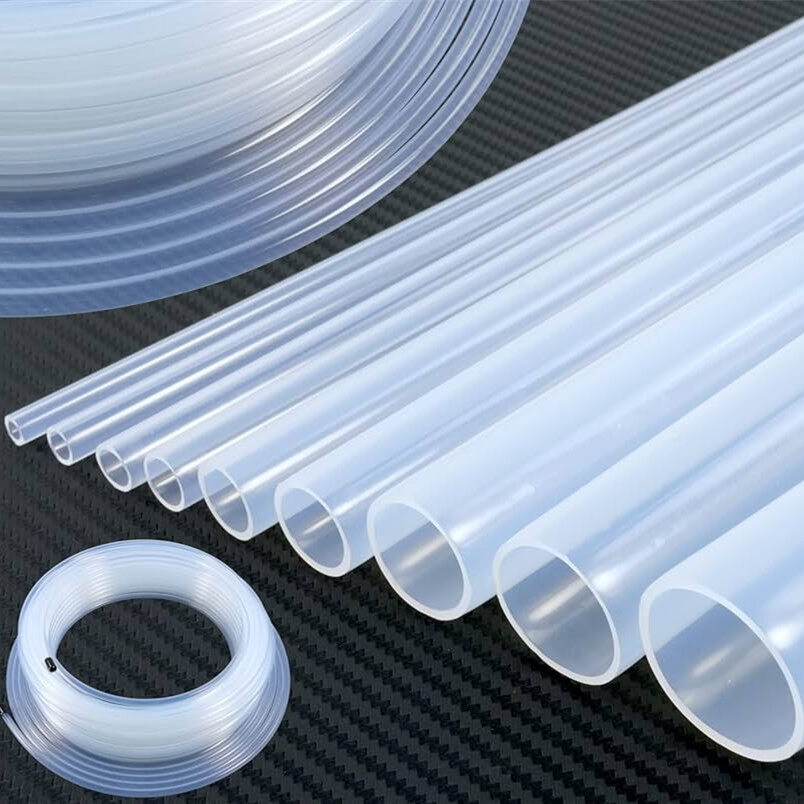
1/4 PFA Tubing typically refers to PFA (Perfluoroalkoxy) polymer tubing with a 6.35mm Outside Diameter (OD), often paired with an inner diameter (ID) like 4.35mm (e.g., 4.35*6.35mm), used in high-purity, chemical, and high-temp applications due to its inertness, flexibility, and wide temp range (-200°C to 260°C). It's common in labs, semiconductors, and food/beverage, meeting standards like FDA , offering superior chemical resistance over PTFE/FEP.
Features
Material: PFA (a type of fluoropolymer).
Common Sizes: Often seen as 4.35mm ID x 6.35mm OD, but other fractional/metric sizes exist.
Temperature: Excellent range, typically -200°C to 260°C (-328°F to 500°F).
Chemical Resistance: Highly inert, resistant to corrosive chemicals, solvents, and steam.
Purity: Available in high-purity grades for sensitive applications (semiconductor, pharma).
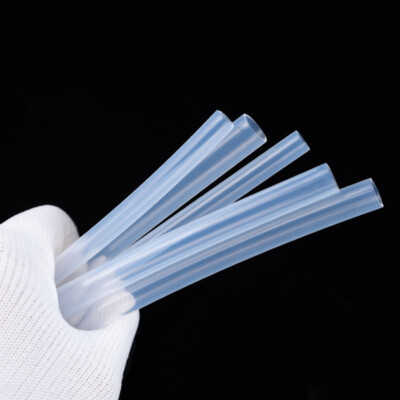
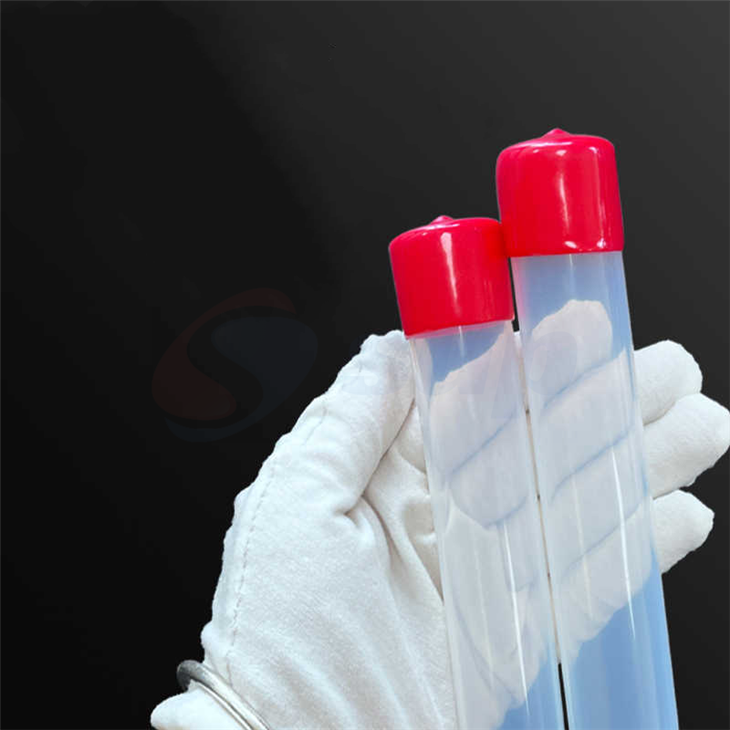
Properties: Transparent (natural color), flexible, low friction, low extractables.
Approvals: Often FDA compliant, REACH, RoHS.
Advantages of 1/4" PFA Tubing
Exceptional Chemical Resistance
PFA is resistant to almost all solvents, acids, and bases, making it highly reliable for corrosive chemical handling.
High-Temperature Performance
It maintains mechanical integrity and stability in extreme heat (up to 500°F/260°C).
Superior Purity
PFA is known for having low extractable levels, ensuring it does not contaminate high-purity fluids.
Flexibility and Clarity
Compared to PTFE, PFA tubing is more flexible and transparent, allowing for easy flow monitoring.
Smooth Surface
The inner surface is smooth, preventing particle entrapment and facilitating easy cleaning.
Reduced Stress Cracking
PFA possesses greater resistance to stress cracking, improving longevity in high-demand environments.
PFA, PTFE, and FEP are high-performance fluoropolymers sharing superior chemical resistance, low friction, and high temperature tolerance. PTFE offers the highest heat/chemical resistance but requires sintering; FEP is melt-processable, transparent, and flexible but lower-temp; PFA merges the best of both, providing superior chemical/thermal resistance, high purity, and superior flexibility over FEP.
Key Differences
PTFE (Polytetrafluoroethylene)
Best for high-temperature (up to 260°)non-stick, and high chemical resistance. It is not melt-processable, requiring sintering, and is typically white/opaque.
FEP (Fluorinated Ethylene Propylene)
Melt-processable, allowing for complex shapes and welding. Transparent, UV resistant, and good for lower-temp (<200°C)applications, electrical insulation, and heat-shrink.
PFA (Perfluoroalkoxy)
Melt-processable with similar temperature resistance to PTFE (260°+),but superior stress-crack resistance and clarity compared to FEP. High-purity makes it ideal for semiconductor and medical applications.

Selection Summary
- Choose PTFE for maximum, cost-effective high-temp/chemical resistance where molding isn't needed.
- Choose FEP for transparency, lower-temperature flexibility, or complex, budget-friendly extrusions.
- Choose PFA for superior, high-purity, and durable performance in extreme, high-temp environments.
Applications
1/4" PFA tubing is widely used in chemical processing, semiconductor manufacturing, laboratory equipment, analytical instruments, pharmaceutical systems, and high-purity fluid transfer.
Key Features:
High-quality PFA fluoropolymer material
Excellent resistance to aggressive chemicals and solvents
Excellent high-temperature performance
Smooth, non-stick inner surface
High purity and low extractables
Excellent electrical insulation properties
Available in various wall thicknesses and lengths
Suitable for demanding fluid-handling applications
Custom sizes and specifications available
Typical Applications: Chemical transfer, semiconductor equipment, laboratory instruments, pharmaceutical processing, analytical systems, and high-purity fluid handling.
Semiconductor Manufacturing
Ideal for high-purity fluid handling, chemical delivery (acids/solvents), wet benches, and CMP (chemical mechanical planarization).
Chemical Processing
Used in harsh, corrosive, or reactive environments to transfer chemicals without contamination due to excellent chemical resistance.
Pharmaceutical and Biomedical
Excellent for use in drug manufacturing and biotech applications due to its inert and biocompatible nature.
Laboratory and Analytical
Utilized for sample analysis, chromatography, and high-purity fluid transfer where non-stick, non-leaching characteristics are critical.
Industrial and Automotive
Used for adhesive transfer, paint lines, and fuel systems requiring high temperature resistance and flexibility.
Environmental Monitoring
Commonly used in water quality testing and sampling equipment.


Payment&Shipping
|
Packing |
Carton / Pallet / Wooden Box |
|
Shipping method |
By express, By air, By Sea |
|
FOB Port |
Shenzhen |
|
Production time |
Depends on your qty(3~15 days) |
| OEM/ODM | Available |
| Payment | TT/Ali pay/Ali Assurance |
FAQ
PFA Tube Inch Sizes
|
ID |
OD |
Wall |
|
(IN.) |
(IN.) |
(IN.) |
|
1/32 |
1/16 |
.015 |
|
1/16 |
1/8 |
.030 |
|
1/16 |
3/16 |
.063 |
|
3/32 |
5/32 |
.030 |
|
1/8 |
3/16 |
.030 |
|
1/8 |
1/4 |
.063 |
|
3/16 |
1/4 |
.030 |
|
1/4 |
3/8 |
.063 |
|
5/16 |
3/8 |
.030 |
|
3/8 |
1/2 |
.063 |
|
1/2 |
9/16 |
.030 |
|
1/2 |
5/8 |
.063 |
|
5/8 |
3/4 |
.063 |
|
3/4 |
7/8 |
.063 |
|
7/8 |
1" |
.063 |
|
1" |
1.1" |
.050 |
|
1" |
1 1/8 |
.063 |
|
1 1/4 |
1 3/8 |
.063 |
|
1 1/2 |
1 5/8 |
.063 |


