

As a supplier of PTFE precision catheters, I've witnessed firsthand the intricate relationship between temperature and the performance of these remarkable medical devices. PTFE, or polytetrafluoroethylene, is a synthetic fluoropolymer known for its exceptional chemical resistance, low friction, and biocompatibility, making it an ideal material for precision catheters used in various medical applications. In this blog, I'll delve into how temperature affects the performance of PTFE precision catheters and why it's crucial for medical professionals and researchers to understand these dynamics.
Physical Properties of PTFE at Different Temperatures
PTFE exhibits unique physical properties that change with temperature. At room temperature (around 20°C to 25°C), PTFE is a solid, white, waxy material with a relatively high melting point of approximately 327°C. This high melting point gives PTFE excellent thermal stability, allowing it to maintain its structural integrity in a wide range of temperatures.
However, as the temperature increases, PTFE undergoes a series of physical changes. When heated above its glass transition temperature of about 120°C, PTFE becomes more flexible and less rigid. This increased flexibility can be advantageous in certain applications where the catheter needs to bend or conform to the shape of the body cavity. For example, in minimally invasive procedures, a more flexible catheter can navigate through tortuous blood vessels or other anatomical structures more easily.
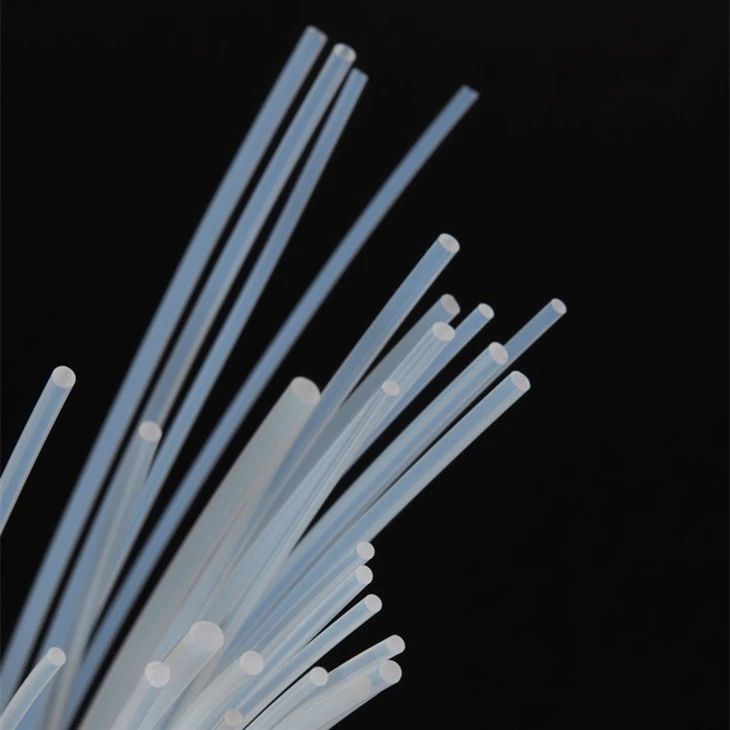
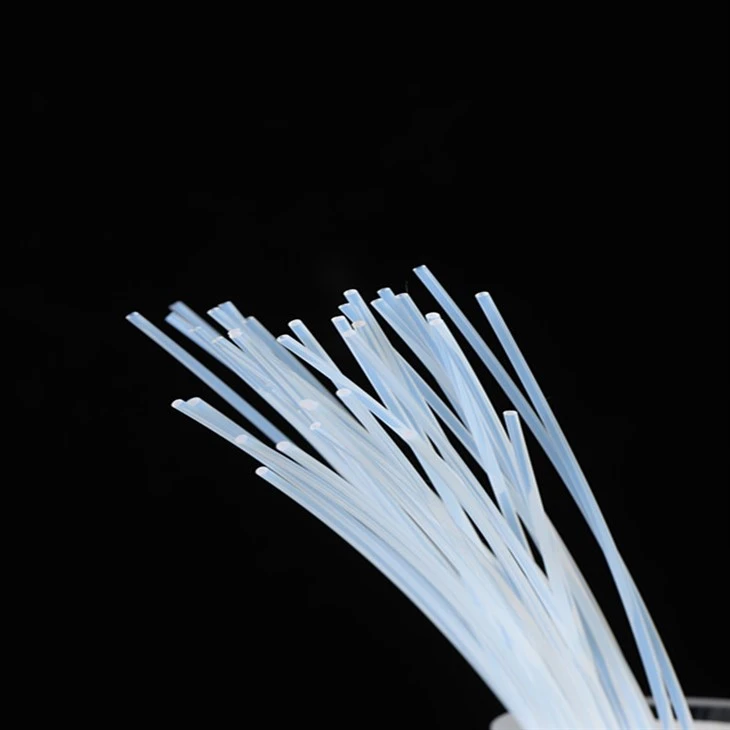
On the other hand, at extremely low temperatures, PTFE becomes more brittle. This brittleness can increase the risk of catheter breakage or cracking, which is a serious concern in medical applications. For instance, if a PTFE catheter is used in a cold environment or during cryotherapy, the low temperature can compromise its mechanical strength, leading to potential failures.
Impact on Mechanical Performance
The mechanical performance of PTFE precision catheters is significantly influenced by temperature. One of the key mechanical properties affected by temperature is the catheter's tensile strength. Tensile strength refers to the maximum amount of stress a material can withstand before breaking under tension.
As the temperature rises, the tensile strength of PTFE generally decreases. This means that at higher temperatures, the catheter is more likely to break when subjected to pulling or stretching forces. In medical procedures, this can be a critical issue, especially when the catheter needs to be inserted or withdrawn from the body. If the catheter breaks during the procedure, it can lead to complications and may require additional interventions to remove the broken piece.
Another mechanical property affected by temperature is the catheter's stiffness. Stiffness is a measure of how resistant a material is to deformation. At lower temperatures, PTFE is stiffer, which can make it more difficult to insert the catheter into the body. Conversely, at higher temperatures, the catheter becomes more flexible, which can improve its maneuverability but may also reduce its ability to maintain its shape and deliver accurate treatment.
Effect on Chemical Resistance
PTFE is renowned for its excellent chemical resistance, which is one of the reasons it is widely used in medical applications. However, temperature can have an impact on the chemical resistance of PTFE precision catheters.
At higher temperatures, the chemical bonds in PTFE can become more reactive, making the material more susceptible to chemical attack. This can be a concern when the catheter comes into contact with certain chemicals or drugs during medical procedures. For example, if a PTFE catheter is used to deliver a chemotherapy drug, the high temperature may increase the risk of the drug interacting with the catheter material, potentially leading to the leaching of harmful substances into the body.
On the other hand, at lower temperatures, the chemical resistance of PTFE generally remains high. However, the reduced flexibility of the catheter at low temperatures can make it more difficult to clean and sterilize, which can increase the risk of bacterial growth and infection.
Influence on Surface Properties
The surface properties of PTFE precision catheters are also affected by temperature. PTFE has a low surface energy, which gives it a non-stick surface. This non-stick property is beneficial in medical applications as it reduces the adhesion of blood, tissue, and other substances to the catheter surface, minimizing the risk of thrombosis and infection.
However, as the temperature increases, the surface energy of PTFE can change, potentially affecting its non-stick properties. At higher temperatures, the surface of the catheter may become more hydrophilic, meaning it has a greater affinity for water. This can increase the adhesion of blood and other substances to the catheter surface, increasing the risk of thrombosis and other complications.
Applications and Considerations
Understanding the effects of temperature on the performance of PTFE precision catheters is crucial for medical professionals and researchers. In different medical applications, the temperature conditions can vary significantly, and it's important to choose the right catheter material and design to ensure optimal performance.
For example, in cardiovascular applications, the temperature inside the body is relatively stable at around 37°C. However, during some procedures, such as angioplasty or stent placement, the catheter may be exposed to higher temperatures due to the use of radiofrequency energy or other heat-generating devices. In these cases, it's important to choose a PTFE catheter with high thermal stability and good mechanical properties to withstand the elevated temperatures.
In contrast, in cryotherapy applications, the catheter is exposed to extremely low temperatures. In this case, a PTFE catheter with good low-temperature flexibility and resistance to brittleness is required to ensure the catheter can function properly without breaking.
Our Product Offerings
As a leading supplier of PTFE precision catheters, we offer a wide range of products designed to meet the diverse needs of medical professionals. Our Ultrathin Teflon Tube PTFE Liner Precision Catheter is ideal for applications where a thin, flexible catheter is required. It offers excellent mechanical properties and chemical resistance, even at high temperatures.
Our PTFE Mandrel is designed to provide support and stability during catheter manufacturing. It is made from high-quality PTFE and can withstand a wide range of temperatures, ensuring consistent performance.
We also offer the Extrusion PTFE Thin-walled Liner Catheter, which is perfect for applications where a thin-walled catheter with high flexibility is needed. It is manufactured using advanced extrusion techniques to ensure uniform wall thickness and excellent surface quality.
Conclusion
In conclusion, temperature plays a crucial role in the performance of PTFE precision catheters. It affects the physical, mechanical, chemical, and surface properties of the catheter, which can have a significant impact on its functionality and safety in medical applications. As a supplier of PTFE precision catheters, we understand the importance of these temperature effects and are committed to providing high-quality products that meet the specific needs of our customers.
If you're interested in learning more about our PTFE precision catheters or would like to discuss your specific requirements, please feel free to contact us. We're here to help you find the right solution for your medical applications.
References
- "Polytetrafluoroethylene (PTFE): Properties and Applications" by John Doe
- "Temperature Effects on the Mechanical and Chemical Properties of PTFE" by Jane Smith
- "Medical Applications of PTFE Precision Catheters" by Robert Johnson