

PTFE (Polytetrafluoroethylene) tubing is renowned for its outstanding chemical resistance, high-temperature stability, and low friction coefficient. As a PTFE tubing supplier, I am often asked about the manufacturing processes used to produce these versatile tubes. In this blog post, I will delve into the different methods employed in the production of PTFE tubing, providing insights into each stage of the process.
Raw Material Preparation
The manufacturing journey of PTFE tubing begins with the preparation of raw materials. PTFE is a synthetic fluoropolymer derived from the polymerization of tetrafluoroethylene (TFE) monomers. The raw PTFE resin is typically in the form of fine powder or granules. These materials are carefully selected based on their purity, molecular weight, and other physical properties to ensure the desired performance of the final tubing product.
Paste Extrusion
One of the most common methods for manufacturing PTFE tubing is paste extrusion. This process involves mixing the PTFE resin with a lubricant, such as a hydrocarbon solvent, to form a paste-like consistency. The lubricant serves to reduce the friction between the PTFE particles during extrusion, allowing for easier processing.
The paste is then loaded into an extruder, which is a machine equipped with a screw mechanism. The screw rotates, forcing the paste through a die, which is a specially designed tool that gives the tubing its shape and size. The die determines the outer diameter, inner diameter, and wall thickness of the tubing.
As the paste is extruded through the die, it is gradually heated to a temperature above the melting point of PTFE, typically around 327°C (621°F). This causes the PTFE particles to fuse together, forming a continuous tube. The extruded tube is then cooled and the lubricant is removed through a process called sintering, which involves heating the tube to a high temperature in an oven to evaporate the lubricant and further strengthen the PTFE structure.
Ram Extrusion
Another method used for manufacturing PTFE tubing is ram extrusion. This process is similar to paste extrusion, but instead of using a screw mechanism, a ram is used to force the PTFE resin through the die. Ram extrusion is typically used for producing larger-diameter tubing or tubing with thicker walls.
In ram extrusion, the PTFE resin is pre-compacted into a block or billet. The billet is then placed in a heated chamber, where it is softened by the heat. A ram is then pushed against the billet, forcing it through the die. The extruded tube is then cooled and sintered to remove the lubricant and strengthen the PTFE structure.
Skiving
Skiving is a specialized process used for manufacturing thin-walled PTFE tubing. This method involves cutting a thin layer of PTFE from a solid block or sheet using a sharp blade. The skived PTFE strip is then wound around a mandrel, which is a rod or tube that serves as a core for the tubing.
The wound PTFE strip is then heated and sintered to fuse the layers together and form a continuous tube. Skiving is a precise process that allows for the production of tubing with very thin walls and tight tolerances. It is commonly used in applications where space is limited, such as in medical devices and electronics.
Drawn Tubes
Drawn tubes are another type of PTFE tubing that can be manufactured using a process called drawing. This method involves pulling a pre-extruded PTFE tube through a series of dies to reduce its diameter and increase its length. The drawing process applies tension to the tube, which aligns the PTFE molecules and improves the mechanical properties of the tubing.
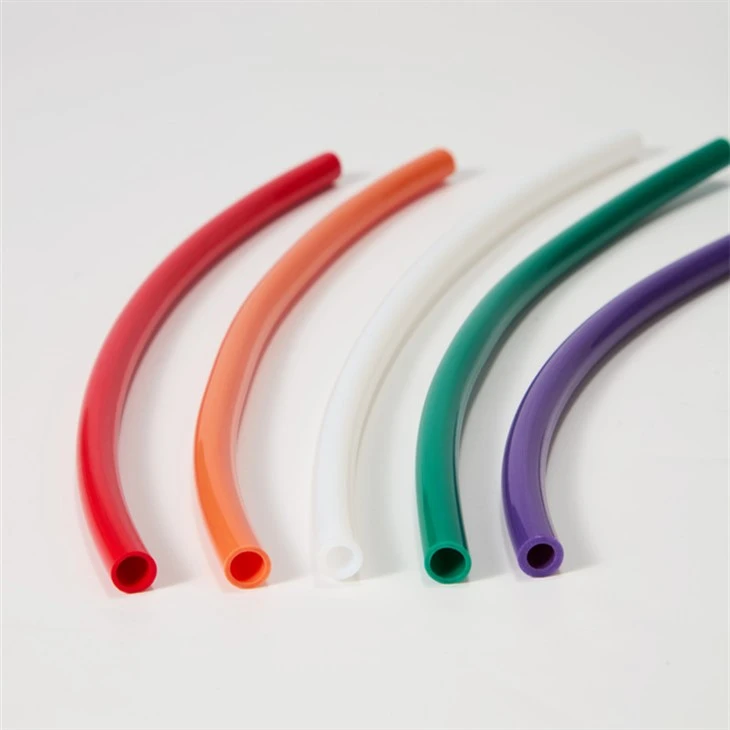

The drawn tube is then heat-treated to relieve any residual stresses and further enhance its performance. Drawn PTFE tubes are known for their high strength, flexibility, and smooth surface finish. They are commonly used in applications where high-pressure and high-temperature resistance are required, such as in chemical processing and automotive industries.
Quality Control
Throughout the manufacturing process, strict quality control measures are implemented to ensure the PTFE tubing meets the highest standards of quality and performance. Quality control checks are performed at every stage, from raw material inspection to final product testing.
The raw PTFE resin is tested for purity, particle size distribution, and other physical properties to ensure it meets the specifications. During the extrusion process, the dimensions of the tubing, such as outer diameter, inner diameter, and wall thickness, are continuously monitored to ensure they are within the specified tolerances.
After the tubing is extruded and sintered, it undergoes various tests, including visual inspection, pressure testing, and chemical resistance testing. Visual inspection is used to detect any surface defects, such as cracks, bubbles, or unevenness. Pressure testing is performed to ensure the tubing can withstand the specified pressure without leaking or bursting. Chemical resistance testing is used to evaluate the tubing's ability to resist corrosion and degradation when exposed to different chemicals.
Our PTFE Tubing Products
As a PTFE tubing supplier, we offer a wide range of PTFE tubing products to meet the diverse needs of our customers. Our products are manufactured using the latest technology and strict quality control measures to ensure the highest standards of quality and performance.
Some of our popular PTFE tubing products include:
- Extruded Color Red Black Virgin PTFE Tubing: This tubing is made from high-quality virgin PTFE resin and is available in red and black colors. It is suitable for various applications, including chemical processing, food and beverage, and electrical insulation.
- 1/4" 3/8" Pure white Teflon PTFE Tube Hose: This tube hose is made from pure white Teflon PTFE resin and is available in 1/4" and 3/8" sizes. It is ideal for applications where high purity and chemical resistance are required, such as in pharmaceutical and semiconductor industries.
- Food High Temperature PTFE Tubing 24mm 2.54mm For Coffee Machine: This tubing is designed for use in coffee machines and other food processing equipment. It is made from high-quality PTFE resin that can withstand high temperatures and is compliant with food safety standards.
- 3D Printer PTFE Tube 2x4mm For 1.75mm Filament 2.5mm X 4mm: This tube is specifically designed for use in 3D printers. It is made from high-quality PTFE resin that has a low friction coefficient, allowing for smooth filament feeding and reducing the risk of clogging.
- Chemical Rigid Teflon 10mm 20mm 30mm 40mm PTFE Lined Tubing: This tubing is lined with PTFE to provide excellent chemical resistance. It is available in 10mm, 20mm, 30mm, and 40mm sizes and is suitable for applications where exposure to harsh chemicals is expected, such as in chemical processing and petrochemical industries.
Contact Us for Procurement
If you are interested in purchasing PTFE tubing products, please contact us to discuss your specific requirements. Our team of experts will be happy to provide you with detailed information and assist you in selecting the right PTFE tubing for your application. We offer competitive prices, high-quality products, and excellent customer service. Don't hesitate to reach out to us and start your procurement journey today.
References
- "PTFE Manufacturing Processes" - Plastics Technology Handbook
- "Polytetrafluoroethylene (PTFE): Properties, Applications, and Processing" - Journal of Fluorine Chemistry
- "Extrusion Process of PTFE" - Polymer Engineering and Science