

Can PTFE medical tubing be used in neurosurgery?
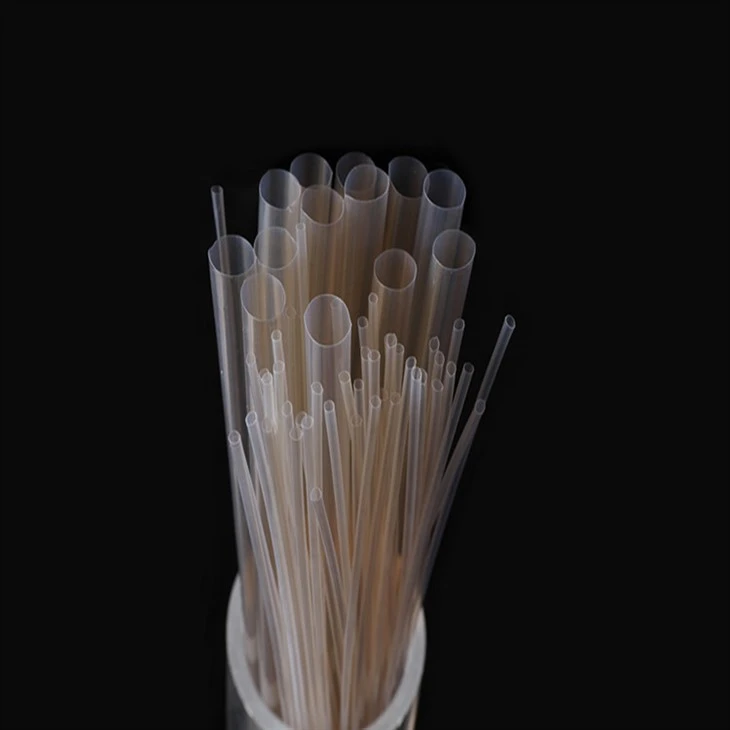

As a supplier of PTFE medical tubing, I am often asked about the potential applications of our products in various medical fields, especially neurosurgery. Neurosurgery is a highly specialized and delicate area of medicine that requires the use of advanced and reliable medical devices. In this blog, I will explore the question of whether PTFE medical tubing can be used in neurosurgery, looking at its properties, advantages, and challenges.
Properties of PTFE Medical Tubing
PTFE, or polytetrafluoroethylene, is a synthetic fluoropolymer that has a wide range of applications due to its unique properties. In the medical field, PTFE medical tubing is used for its biocompatibility, chemical resistance, low friction, and high flexibility.
Biocompatibility is a crucial property for any medical device that comes into contact with the human body. PTFE is known for its excellent biocompatibility, which means it is well-tolerated by the body and does not cause significant immune responses or tissue damage. This makes it suitable for use in medical applications where long-term implantation or contact with biological tissues is required.
Chemical resistance is another important property of PTFE. It is highly resistant to a wide range of chemicals, including acids, bases, and organic solvents. This resistance ensures that the tubing remains stable and does not degrade when exposed to various substances in the body or during medical procedures.
The low friction coefficient of PTFE is beneficial in medical applications as it allows for smooth movement of fluids, catheters, or other devices through the tubing. This can reduce the risk of damage to surrounding tissues and improve the efficiency of medical procedures.
Flexibility is also a key feature of PTFE medical tubing. It can be easily bent and shaped without kinking, which is essential for navigating through the complex and delicate structures in the human body, including the brain and nervous system.
Advantages of Using PTFE Medical Tubing in Neurosurgery
- Minimally invasive procedures: The flexibility and low friction of PTFE medical tubing make it suitable for minimally invasive neurosurgical procedures. Minimally invasive techniques offer many benefits, such as reduced pain, shorter hospital stays, and faster recovery times for patients. The tubing can be used to deliver drugs, contrast agents, or other therapeutic substances directly to the targeted area in the brain with minimal disruption to surrounding tissues.
- Drug delivery: In neurosurgery, precise drug delivery is often required to treat various conditions, such as brain tumors, epilepsy, or neurodegenerative diseases. PTFE medical tubing can be used to create drug delivery systems that can accurately target specific areas in the brain. For example, it can be used to construct catheters or microinfusion pumps that can slowly release drugs over a period of time.
- Diagnostic applications: PTFE medical tubing can also be used in diagnostic procedures in neurosurgery. It can be used to transport contrast agents for imaging techniques such as magnetic resonance imaging (MRI) or computed tomography (CT) scans. The biocompatibility and chemical resistance of PTFE ensure that the contrast agents are delivered safely and effectively to the desired location in the brain for accurate diagnosis.
- Electrode implantation: In some neurosurgical procedures, electrodes need to be implanted in the brain to monitor electrical activity or deliver electrical stimulation. PTFE medical tubing can be used to protect and guide the electrodes during implantation. Its low friction surface allows for easy insertion of the electrodes, while its biocompatibility ensures that the surrounding tissues are not damaged.
Our PTFE Medical Tubing Products for Potential Neurosurgical Use
We offer a wide range of PTFE medical tubing products that could potentially be used in neurosurgery. Our PTFE Zebra Heat Shrink Flexible Tubing 150cm 450cm combines the flexibility of PTFE with the heat shrink feature, which can be useful for creating customized tubing lengths and securing connections. The zebra pattern can also provide visual cues during procedures.
Our Medical Etched PTFE Multi - Lumen Tubing is designed with multiple lumens, which can be used to simultaneously deliver different substances or perform multiple functions in a single tube. This can be particularly useful in complex neurosurgical procedures where multiple treatments or diagnostic tests are required.
The Medical Guidewire PTFE Coated Zebra Hydrophilic offers the advantages of PTFE coating with a hydrophilic surface. The hydrophilic coating reduces friction even further, making it easier to guide the guidewire through the vessels in the brain during procedures.
The PTFE Zebra Guide Wire Straight Tip for Urinary Tract, although initially designed for urinary tract applications, can potentially be adapted for neurosurgical use due to its straight tip and PTFE properties.
Our PTFE Mandrel is used in the manufacturing of precision catheters. It can play an important role in the production of high - quality catheters that are then used in neurosurgical procedures.
Challenges and Considerations
While PTFE medical tubing has many potential advantages in neurosurgery, there are also some challenges and considerations that need to be addressed.
- Sterilization: Ensuring the sterilization of PTFE medical tubing is critical in neurosurgery, as any contamination can lead to serious infections. PTFE can be sterilized using various methods, such as autoclaving, ethylene oxide gas sterilization, or gamma irradiation. However, the specific sterilization method needs to be carefully selected to ensure that it does not damage the properties of the tubing.
- Precision and control: In neurosurgery, precision is of utmost importance. The tubing needs to be able to be accurately placed in the desired location in the brain, and the flow of fluids or delivery of substances needs to be precisely controlled. This requires the development of advanced techniques and devices that can work in conjunction with PTFE medical tubing.
- Compatibility with other devices: PTFE medical tubing often needs to be used in combination with other medical devices, such as electrodes, catheters, or pumps. Ensuring the compatibility of these devices with the tubing is essential to ensure the safety and effectiveness of the overall neurosurgical procedure.
- Cost: The production of high - quality PTFE medical tubing can be relatively expensive. This can be a limiting factor in some healthcare settings, especially in regions with limited resources.
Conclusion
In conclusion, PTFE medical tubing has significant potential for use in neurosurgery due to its unique properties such as biocompatibility, chemical resistance, low friction, and flexibility. It can be used in minimally invasive procedures, drug delivery, diagnostic applications, and electrode implantation. However, there are also challenges that need to be overcome, such as sterilization, precision control, compatibility with other devices, and cost.
If you are interested in exploring the use of PTFE medical tubing in neurosurgery for your medical practice or research, we invite you to contact us for more information and to discuss potential procurement opportunities. Our team of experts is ready to provide you with detailed product specifications, technical support, and assistance in finding the most suitable PTFE medical tubing solutions for your needs.
References
- Ratner, B. D., Hoffman, A. S., Schoen, F. J., & Lemons, J. E. (Eds.). (2012). Biomaterials science: An introduction to materials in medicine. Academic press.
- Black, J., & Hastings, G. (2004). Handbook of biomaterials evaluation: Scientific, technical, and clinical testing of implant materials. CRC press.