

PTFE Tubing Solutions for Electrical Component Protection
Ptfe tubing, also known as Teflon tubing, is widely used in electrical and electronic equipment for wire insulation, cable protection and component protection.
Electronic devices often contain wires, connectors, sensors and other precision components that operate in environments involving heat, electrical stress, vibration and chemical exposure. These conditions can affect insulation performance, damage wire surfaces and reduce equipment reliability.
Ptfe tubing provides an additional protective layer around electrical wires and sensitive components. Its excellent electrical insulation, high temperature resistance, chemical resistance and low dielectric properties make it suitable for many demanding electronic applications.
Ptfe tubing provides an additional protective layer around electrical wires and sensitive components. Its excellent electrical insulation, high temperature resistance, chemical resistance and low dielectric properties make it suitable for many demanding electronic applications.
Common applications include:
Electrical wire and cable insulation
Electronic component lead protection
Sensor and thermocouple wire protection
Motor and transformer wiring
Circuit board wiring and connection protection
Industrial control equipment
Semiconductor manufacturing equipment
Automotive electronic wiring systems
Communication and high-frequency electronic equipment
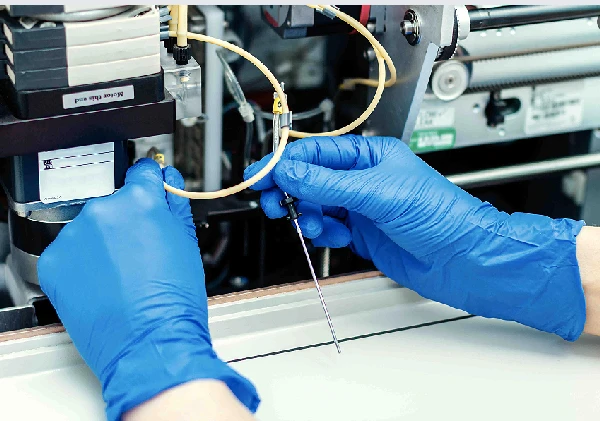
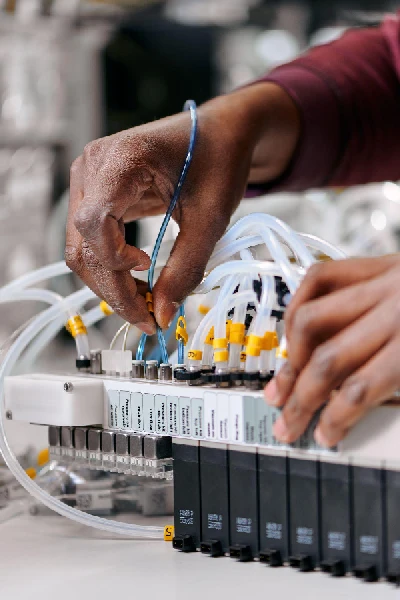
What Electrical and Electronic Components Can PTFE Tubing Protect?
PTFE tubing is used in different parts of electrical and electronic equipment, depending on the required dimensions, insulation properties and working conditions.
1. Electrical Wires and Cable Assemblies
Electrical wires are commonly installed in compact spaces where they may come into contact with metal edges, connectors or other cables.
PTFE tubing can be installed as an insulating sleeve around individual wires or selected sections of cable assemblies.
Protection Benefits:
Provides additional electrical insulation.
Helps protect wire surfaces from abrasion.
Reduces direct contact with surrounding components.
Supports wire routing in high-temperature environments.
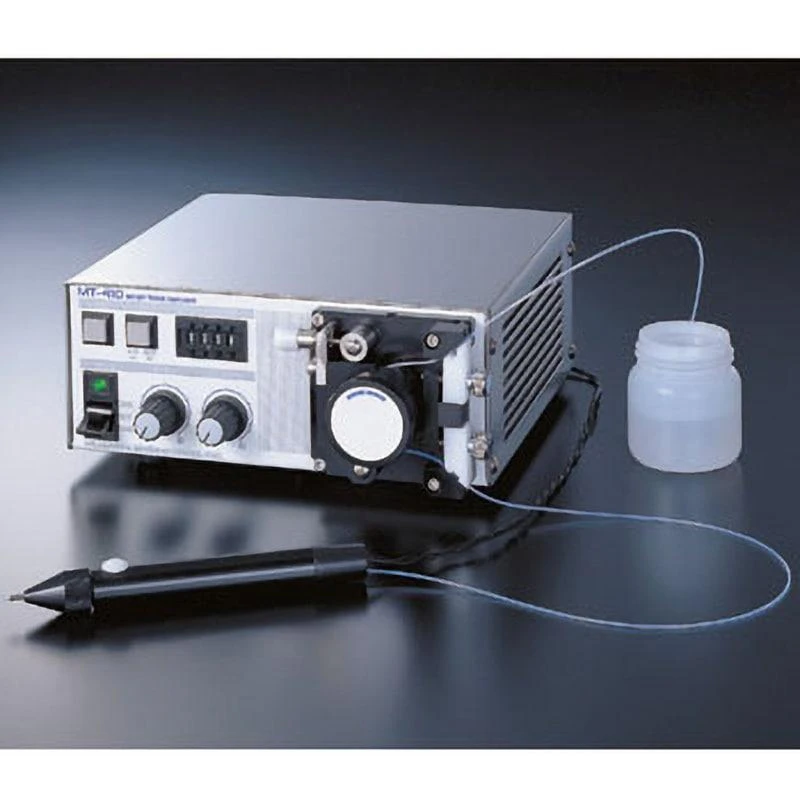
2. Sensors and Thermocouple Wires
Industrial sensors and thermocouples are often installed near heating equipment, machinery and chemical processing systems.
Their connecting wires may be exposed to heat, moisture or chemical substances.
PTFE tubing can provide an additional protective covering for suitable sensor leads and thermocouple wiring.
Protection Benefits:
Helps protect sensor wires from chemical exposure.
Provides electrical insulation.
Supports use in elevated-temperature environments within rated limits.
Helps reduce mechanical contact and surface damage.
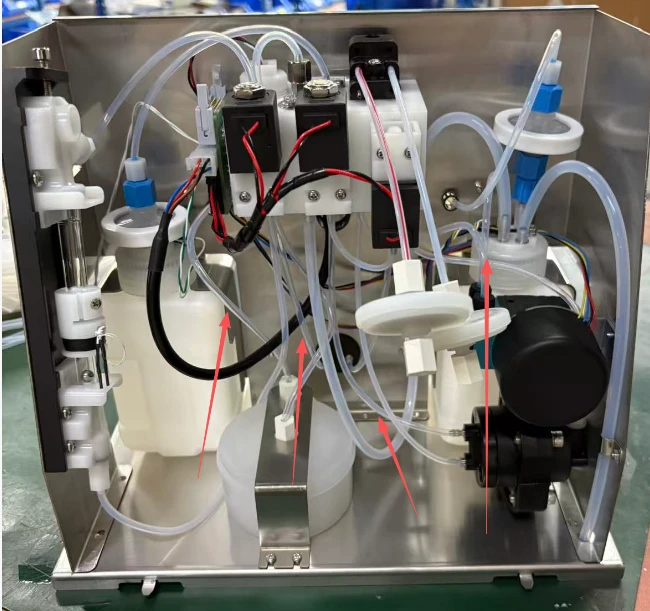
3. Motors and Transformers
Motors and transformers contain multiple electrical connections and winding leads. These components may experience heat, vibration and repeated electrical stress.
Ptfe tubing can be used as an insulating sleeve for selected motor leads, transformer connections and internal wiring.
Protection Benefits:
Provides additional insulation around electrical connections.
Helps protect lead wires from heat.
Reduces direct contact between adjacent conductors.
Supports compact electrical assembly designs.
4. Circuit Boards and Electronic Connections
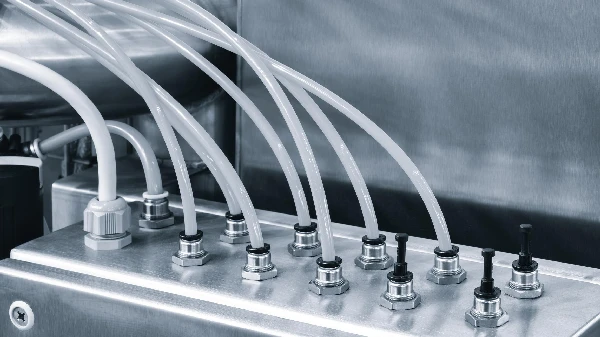
Printed circuit boards contain many closely arranged electrical connections. Certain areas require additional insulation to prevent unwanted contact between wires, terminals and conductive parts.
PTFE tubing can be used to cover selected wire connections and component leads.
Protection Benefits:
Provides local insulation around exposed connections.
Helps protect delicate wire sections.
Supports electrical separation in compact assemblies.
Offers resistance to many chemicals used in industrial environments.
PTFE tubing does not replace proper PCB insulation design, conformal coatings or required electrical clearances.
5. Semiconductor Manufacturing Equipment
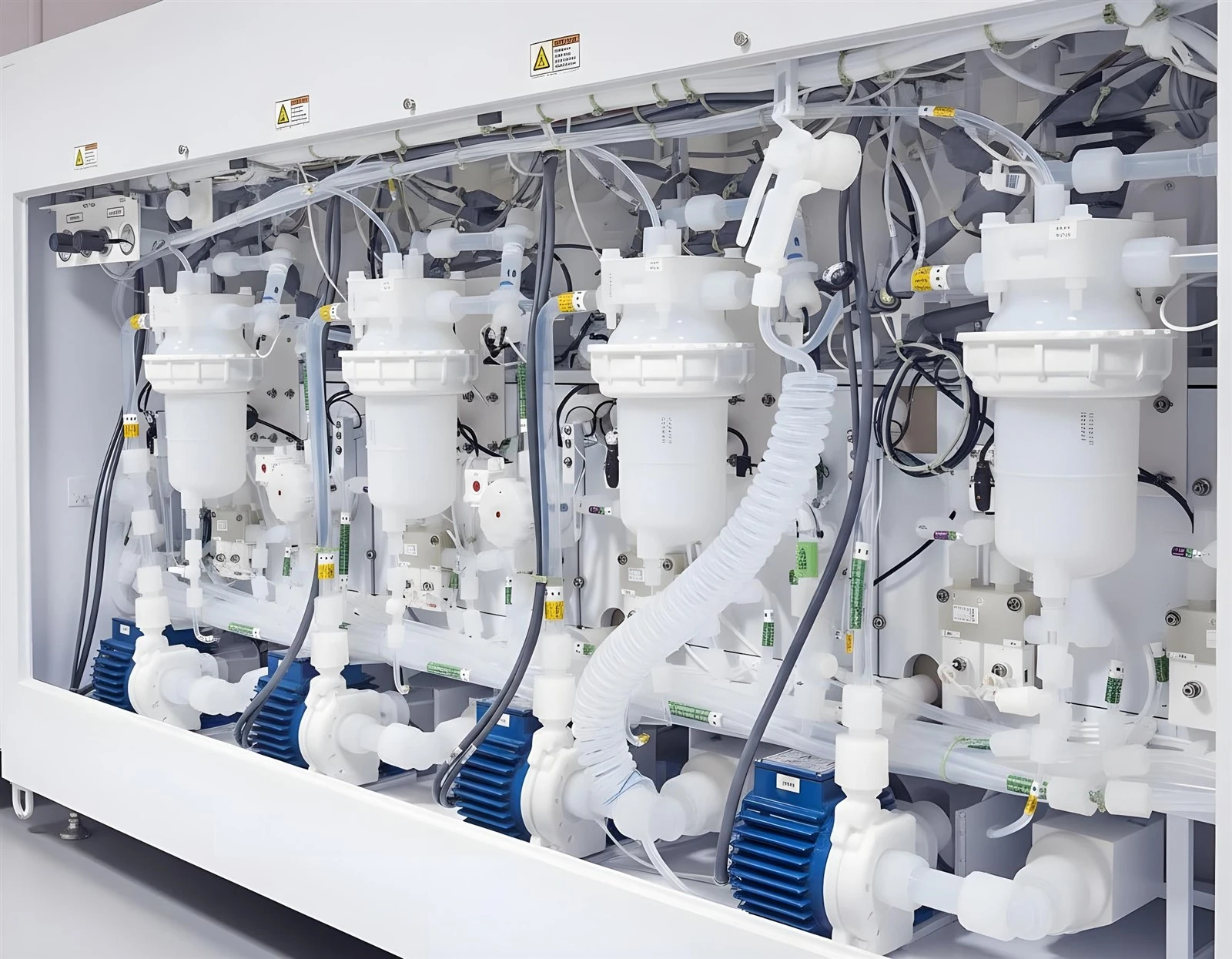
Semiconductor equipment requires stable operation and reliable electrical connections. Sensors, actuators, control wiring and other electrical components may operate near chemical delivery systems, heated equipment and precision machinery.
Ptfe tubing can be used for selected wire insulation and protective sleeve applications.
Protection Benefits:
Provides electrical insulation.
Resists many chemicals and solvents.
Supports high-temperature applications within material limits.
Helps protect sensitive wiring in equipment assemblies.
For semiconductor applications requiring low contamination or low extractables, material grade, cleanliness and manufacturing controls should also be specified.
6. Automotive Electronic Systems
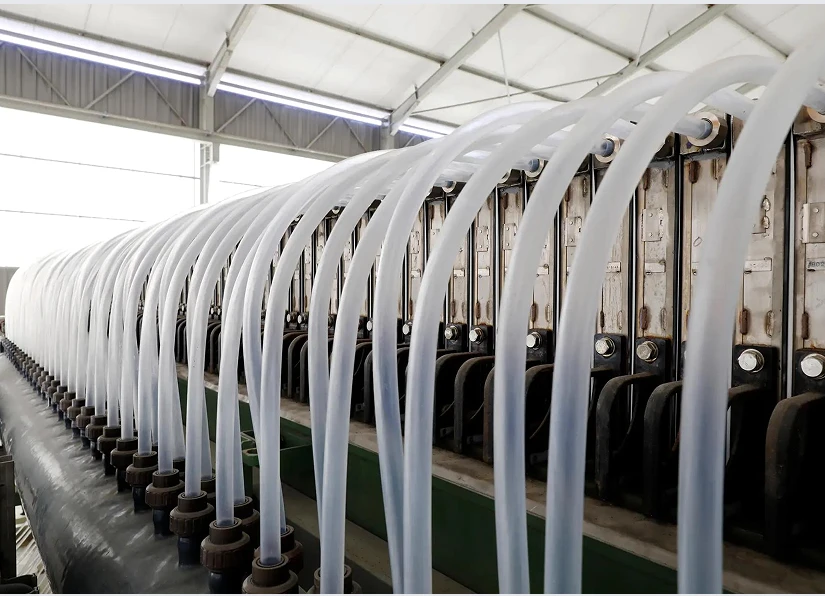
Automotive electronic equipment contains sensors, wiring harnesses, connectors and control modules. Some components operate near engines, heating systems or moving mechanical parts.
Ptfe tubing can be used to provide additional protection for selected wires and electrical connections.
Protection Benefits:
Helps protect wiring from elevated temperatures.
Provides electrical insulation.
Resists exposure to many automotive fluids and chemicals.
Supports wire protection in compact assemblies.
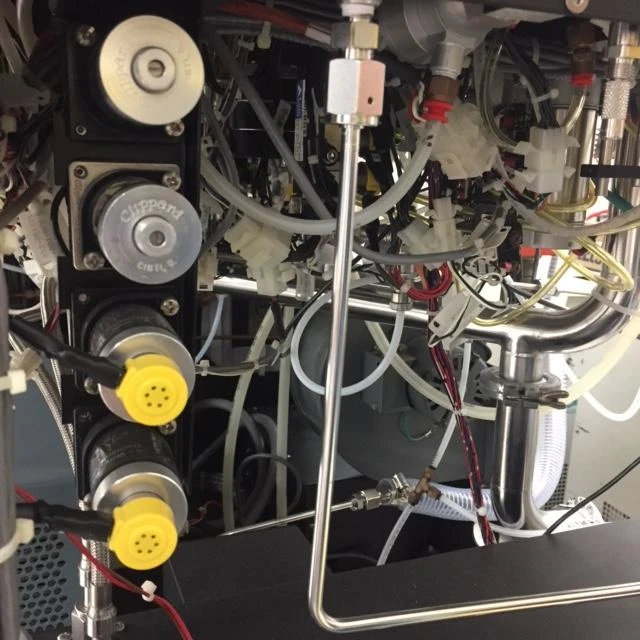
Actual suitability depends on the automotive specification, vibration conditions, fluid exposure and temperature requirements.